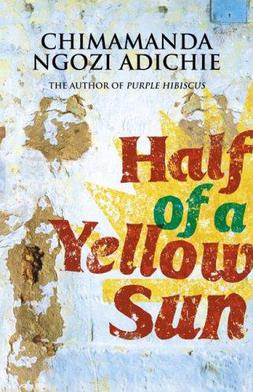
I first discovered Chimamanda in college through a leisurely stroll through a fancy bookstore in Calcutta, it was spring and the yellow and white cover of Half of a Yellow Sun called out to me.
I soon discovered that the upbeat book cover did not betray the somber tone of the story. Having never visited Nigeria, I was not sure if I would understand the story well, but I should have known that religious extremism, fascist governance, identity politics and weak internal policies plague every country, albeit in varying degrees. The story could have been set anywhere and I would have still understood every nuance.
Upon my first reading, my understanding of feminism was limited, causing me to overlook the feminist undertones that are woven throughout the novel.
From the exploration of consensual sex versus rape in the aftermath of the civil war to the juxtaposition of the characters Olanna and Kainene’s privileged, independent lives with their aunt’s modest existence in a conservative setting, Adichie embeds powerful messages on female empowerment and the critique of societal norms.
Particularly striking is the contrast between Odenigbo’s mother, who condemns Olanna’s independence while excusing her son’s infidelities, highlighting the double standards women face and that which are often perpetuated by women themselves.
But the horrors of the Biafran war is what stayed with me much after I had read the book, and one thing was clear that it is always the women bear the brunt of war and poverty’s horrors, a theme that resonates deeply with readers aware of global conflicts.
The use of sex as a language of violence—especially in the context of Ugwu’s gang rape—further emphasizes the brutality inflicted upon women during wartime, serving as both a means of male bonding and a horrifying exercise in power.
Adichie’s nuanced narrative not only educates me about the complexities of Nigerian history but also deepens my understanding of feminism, power dynamics, and the universal struggle against oppressive systems, I actually learn something new, every time I go pick it up.
Have you read it?
 Fingers in symphony