
My earliest encounter with a Gargoyle was perhaps in a Harry Potter book. As I read about these mythical- shape shifting beings that open magically when a password is uttered, my curiosity outgrew the books I was reading.
Surprisingly, my fascination with Gargoyles didn’t wane upon finding out that they don’t shield magical realms because they look as mythical as their descriptions across fiction and non fiction books.

Because how strange a Gargoyle looks ( well, mostly), with mostly beastly-ghastly heads with their mouth open, they are used to create a sense of unrest or unsettle in the readers.
Historically speaking, they have been used since the medieval era to act as water outlets and also keep the fear of evil alive in the eyes and hearts of mere mortals. A mainstay of Gothic architecture, they represent the unison of artistry with utility in ways that continue to intrigue historians and enthusiasts alike.
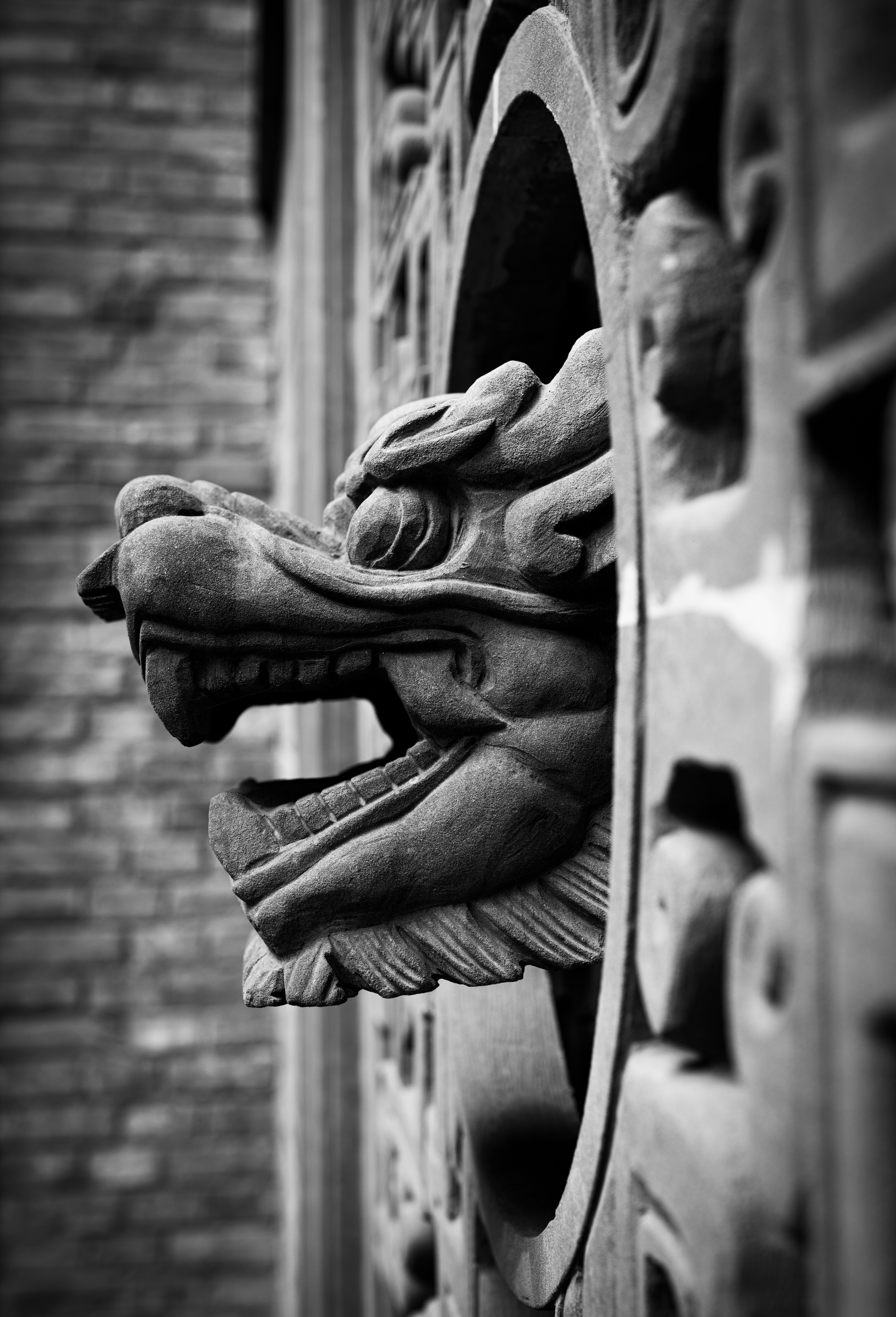
While gargoyles are mainly associated with European Gothic architecture, their symbolism can also be seen in Indian architecture. Indian temple architecture, particularly in South India, features similar grotesque figures known as “yali” or “vyala,” mythical creatures often carved into the pillars and walls of temples. These creatures, like their European counterparts, serve both decorative and symbolic purposes, believed to guard the sacred spaces from evil entities.
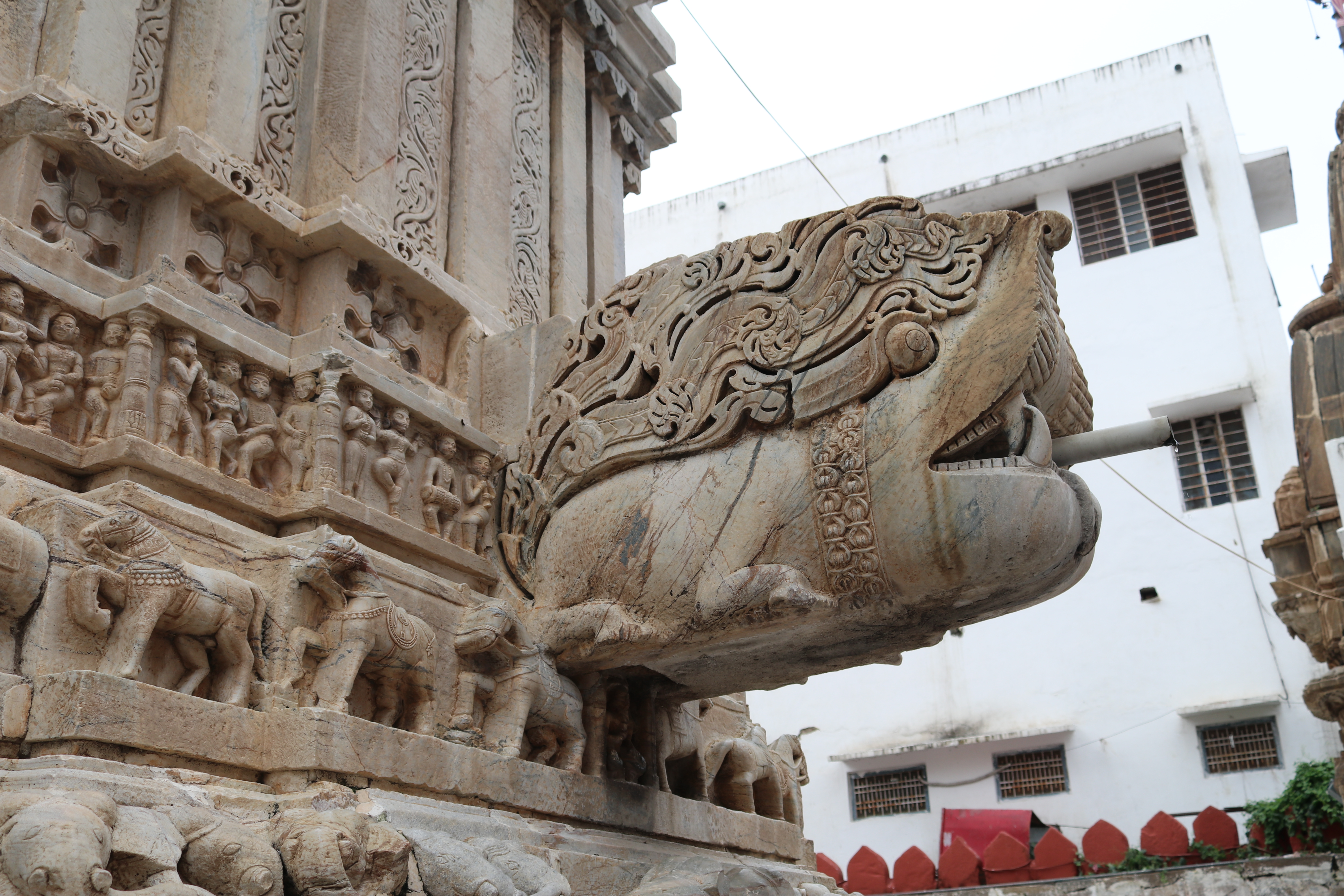
Whether perched on the grand cathedrals of Europe or carved into the ancient temples of India, I have always found them fascinating, like a remnant from the past, I think of them as watchful guards looking over the palaces and the hallowed buildings they serve dutifully.

